
 Online Services
Afyon Cuisine: A Destination for Exquisite Flavors
Afyon Cuisine: A Destination for Exquisite Flavors
Afyon cuisine, much like the region itself, which has embraced numerous civilizations for hundreds of years, brings together a rich variety of flavors shaped by its natural surroundings. Each district has its own distinctive historical architecture, as well as its own delicious local specialties. Best of all, these flavors are not hidden culinary treasures—they are readily available to anyone who appreciates good food. From sucuk and kaymak to pastries and hearty meat dishes, these delicious specialties make every meal an occasion to look forward to. Some, such as Sakala Çarpan Soup, can be enjoyed at any time of day, while others, such as Düğülu Poppy Seed Dessert, are simply irresistible. Afyon dishes can generally be prepared with ease by following a few key tips, although the cook’s personal touch can transform them into something truly special.
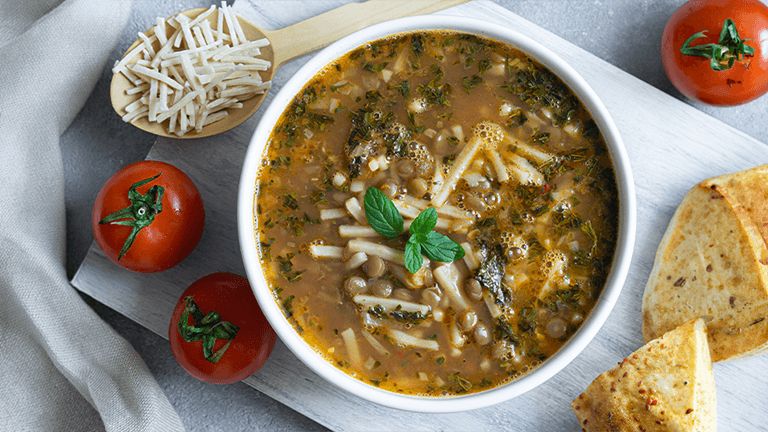
Sakala Çarpan Soup: Frequently served on special occasions such as religious holidays and Ramadan, this soup is known for being rich in vitamins and protein. One of the first dishes that comes to mind when talking about Afyon cuisine, it is prepared with lentils, ground meat, and erişte noodles. Preparing it with chicken stock and plenty of black pepper further enhances its flavor. Sakala Çarpan Soup is traditionally considered appetizing and comforting during cold weather.
İlibada Dolması: One of the most delicious specialties of Afyon cuisine, İlibada Dolması is prepared by sautéing finely chopped onions until golden, then adding cracked wheat and fine bulgur. Red pepper flakes, dried mint, and salt are then added to the mixture, which is wrapped in blanched labada leaves. The dolmas are arranged in a pot, covered with water, and cooked. İlibada Dolması is traditionally served with garlic yogurt and a sauce made with heated oil, red pepper, tomato paste, and mint.
Afyon Kebab: Taking approximately 50 minutes to prepare, this delicious dish is made with onions, parsley, diced meat, Ramadan pide, vegetable oil, yogurt, tomato paste, salt, and black pepper. The diced meat is first sautéed until it releases and absorbs its juices, then cooked until tender. After cooking, the meat is placed over pieces of pide soaked in the meat’s cooking juices, while yogurt and tomato sauce are added around it. Afyon Kebab is particularly popular as part of iftar menus during Ramadan.
Göce Köftesi: One of the staples of Afyon cuisine, Göce Köftesi is also known locally as “göce köttüsü.” Fine bulgur, made from wheat that is ground and sifted, and düğü, an especially fine type of bulgur, are soaked in hot water seasoned with salt and mint. Eggs, onions, and flour are then added and the mixture is kneaded. The mixture is shaped into small, marble-sized balls and boiled. To serve, the köfte is topped with garlic yogurt and a tomato sauce prepared with butter and red pepper flakes.
Afyon Keşkeği: Another specialty unique to Afyon cuisine, keşkeği is prepared by soaking chickpeas and wheat overnight. Meat and bones with marrow are cooked in a pressure cooker until exceptionally tender. The cooked meat is shredded and pounded, with kaymak added during the process. Meanwhile, the wheat and chickpeas are boiled in a separate pot before all the ingredients are combined. Lemon juice is added when serving, followed by a sauce made with butter and red pepper poured over the dish.
Düğülu Poppy Seed Dessert: Poppy seeds are thoroughly crushed and then roasted. Düğü and sugar are added, and the mixture continues to cook. Milk and oil are then incorporated, and the mixture is cooked until it reaches a pudding-like consistency. It is poured into a large tray or baking dish and refrigerated for approximately four hours. The dessert is served with kaymak and walnuts. Düğülu Poppy Seed Dessert is another distinctive specialty of Afyon cuisine and is among the region’s most beloved desserts.
Was this content helpful?