
 Online Services
Afyon Travel Guide: Towards the Republic
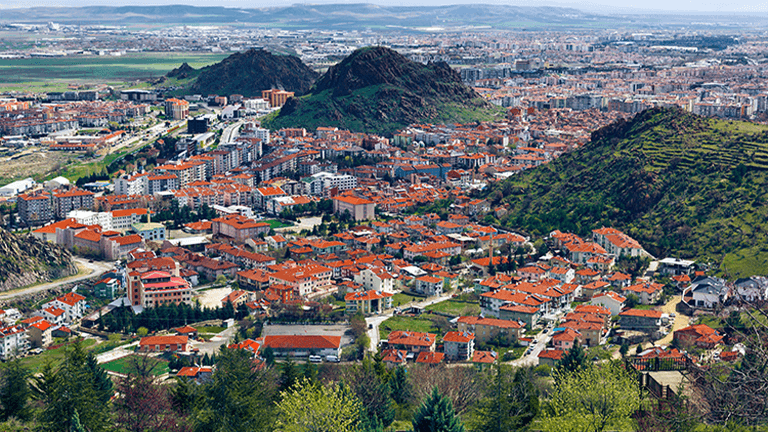
Afyon: A City Shaped by Layers of Civilization
Strategically located at a natural crossroads, Afyon has served as a stopping point for civilizations and armies throughout history. Armies would prepare for battle here before setting out for other regions. The Phrygians, Lydians, Hittites, Persians, Byzantines, Seljuks, Ottomans, Greeks, and, finally, the Turkish army during the Turkish War of Independence all left their mark on the city. From archaeological sites and historic mansions to mosques and fortresses, churches and ancient cities, monuments, caravanserais, and traditional bathhouses, Afyon is surrounded by historical treasures. Architectural traces of different civilizations can be found throughout the city, in its streets and districts, at every turn. All these details are explored in the Afyon travel guide, which also provides detailed information about Afyon’s thermal tourism and its many places to visit and discover.
Where Does the Name Afyon Come From?
The oldest known name of Afyonkarahisar was Akronio, a name that changed several times throughout history. During the Roman period, the city was known as Akronium. Following the Battle of Manzikert, Sultan Mesud I ordered the settlement of the Karaşar Turks at the foot of Afyon Castle, after which the castle came to be known as Karahisar. Recorded as Karahisar-ı Sahip in Ottoman archives, the city has been known as Afyonkarahisar since the early years of the Republic. Throughout a trip to Afyon, visitors can encounter traces of these historical transformations and the civilizations that shaped the city.
Where Is Afyon?
Afyon is located in western Türkiye, in the inland part of the Aegean Region. Surrounded by Isparta, Kütahya, Eskişehir, Konya, and Uşak, the province covers a total area of 14,016 km² and has a population of approximately 744,000. Surrounded by mountains, lakes, and rivers, Afyonkarahisar consists of 18 districts: Başmakçı, Bayat, Bolvadin, Çay, Çobanlar, Dazkırı, Dinar, Emirdağ, Evciler, Hocalar, İhsaniye, İscehisar, Kızılören, Sandıklı, Sinanpaşa, Sultandağı, Şuhut, and Merkez. Marble and food products are among the region’s leading sources of income, and many of the marble quarries in Afyon have a history dating back centuries.
Afyon: Thermal Tourism
Afyonkarahisar is particularly popular for its thermal hotels, attracting visitors from both Türkiye and abroad. Believing in the therapeutic benefits of the region’s thermal waters, guests often make reservations at these hotels months in advance. Five-star hotels, mud baths, and rehabilitation centers welcome guests throughout the year. Afyon is considered one of the leading destinations for thermal and health tourism. These facilities are an essential stop for anyone planning a detailed trip to Afyon. Embraced by nature, the city also stands out with its rich historical heritage.
Places to Visit in Afyon
As a city that has been home to numerous civilizations, Afyon offers natural and cultural heritage at every turn. In addition to centuries-old castles, caves, bridges, and bathhouses, the places to visit in Afyon include monasteries, canyons, and ancient cities scattered throughout the region. There are so many historical sites to explore that it is impossible to see them all in just a day or two. Many of these must-see attractions are also located within easy reach of the city center. Some of the highlights of Afyon include:
Başkomutan Historical National Park: The first stop on the Afyon travel guide, the park was declared a national park in 1981. It commemorates the Turkish National Struggle and covers an area of 42,183 hectares, featuring monuments, a museum, and memorial sites. The Great Offensive began here on August 26, 1922. The park is home to important historical landmarks, including the Victory Monument, Kocatepe Monument, Republic Martyrs’ Cemetery, Air Martyrs’ Cemetery, and Kocatepe Atatürk Monument and Inscription.
Afyonkarahisar Castle: Built on a natural rock formation, the castle rises more than 220 meters above the surrounding area. Having witnessed numerous battles throughout history, the fortress walls were restored during the reign of Seljuk Sultan Alaeddin Keykubad, who also commissioned a small mosque beside the castle. The structure was restored once again in the final quarter of the 16th century on the orders of Sultan Selim II and has survived to the present day.
Phrygian Valley: Created centuries ago by the Phrygians, who carved castles, monuments, and dwellings into the rocks, the region offers a fascinating combination of natural beauty and ancient heritage. It is worth exploring from every angle. As you travel through the valley, you may also hear the legendary story of King Midas, who was said to turn everything he touched into gold. With every step, new stories, myths, and legends seem to emerge.
Acıgöl Flamingo Bird Observatory: Located on Acıgöl along the Antalya–Denizli route, the observatory is situated beside one of Türkiye’s most remarkable saline lakes. Acıgöl is the second-saltiest lake in Türkiye and is a popular destination for visitors. Unlike many bird sanctuaries that have disappeared due to environmental disasters, the observatory has preserved its natural habitat. Home to 176 bird species, it offers visitors a peaceful atmosphere accompanied by birdsong.
İscehisar Fairy Chimneys: Located in the district of the same name, the İscehisar Fairy Chimneys consist of naturally formed chimney- and column-shaped rock formations. Numerous fairy chimneys and archaeological sites are scattered throughout this volcanic landscape, offering visitors a spectacular display of natural beauty.
Afyonkarahisar Museum: This single-story museum features nine exhibition halls, five rooms, five storage areas, photography workshops, and a laboratory. Its collections include everyday objects made of terracotta and marble, glass and metal sculptures, sarcophagi, and gravestones used by the Ottoman, Byzantine, Phrygian, Roman, and Hittite civilizations.
Was this content helpful?